How to Tell If Your Roof Has Hail Damage in North Texas
Apr 10, 2026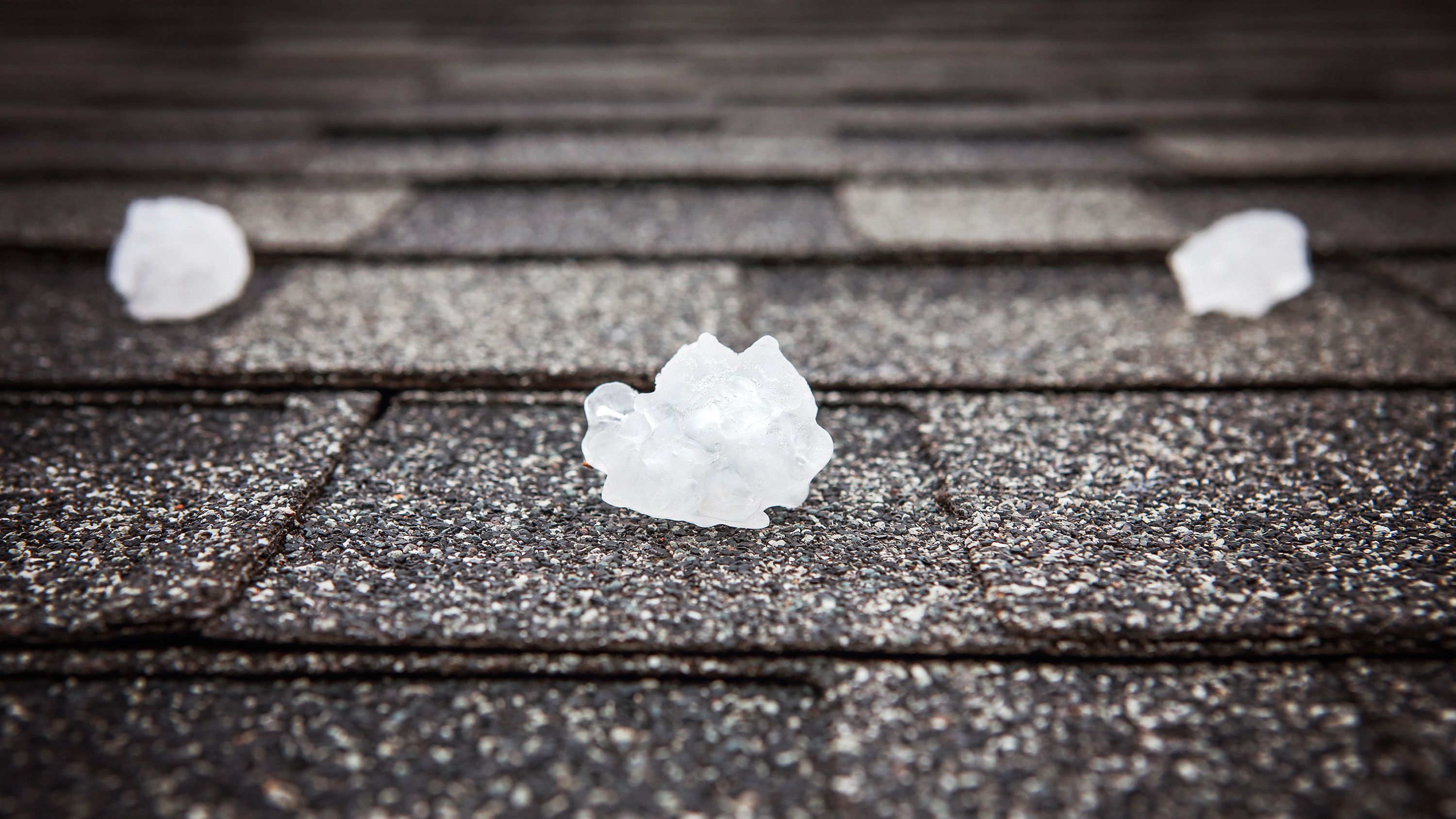
Article 1: How to Tell If Your Roof Has Hail Damage in North Texas
If you live in North Texas, you already know the deal. Hail isn't a seasonal inconvenience. It's a recurring reality. Every spring and fall, storms roll through the DFW area carrying hailstones that range from pea-sized to golf ball-sized, and the damage they leave behind can be deceptive. Most of it you can't see from the ground. That's what makes hail one of the most underestimated threats to your home's long-term health.
The problem isn't just the storm itself. It's the gap between when the storm hits and when the damage gets discovered. Weeks pass. Sometimes months. By the time a homeowner notices a water stain on their ceiling or a spike in their energy bill, what started as minor surface damage has become a much bigger repair job and an insurance claim with a tighter deadline.
Knowing what to look for after a storm can save you a significant amount of money and stress.
Start on the ground and check your gutters and downspouts. This is the easiest starting point. After a hailstorm, walk around your home and inspect your gutters. Look for visible dents along the aluminum, and check the downspouts where they meet the ground for accumulated granules. Shingle granules are the small, sand-like particles embedded in asphalt shingles to protect them from UV rays. If you're seeing a pile of them after a storm, that's a strong indicator that your shingles took a hit.
Look for visible shingle damage. From the edge of your property or from a second-floor window, scan your roof for dark spots, shiny patches, or areas where the surface texture looks uneven. Hail impact strips granules off shingles in circular patterns, leaving behind soft, exposed asphalt. Over time, that exposed area becomes brittle, cracks, and lets water in. You may not see it clearly from the ground, but these are the warning signs worth investigating up close.
Check your roof vents, flashing, and soft metals. Roof vents, chimney flashing, gutters, and other soft metal components are excellent indicators of hail activity. Hail dents them clearly and consistently. If you can safely access these areas or have a contractor check them, denting on soft metal surfaces is strong evidence that your shingles absorbed similar force.
Go inside and look up. After any significant storm, do a quick walk-through of your home's upper floors. Look at your ceilings for water stains, yellowish rings, or bubbling paint. Check your attic if accessible. Bring a flashlight and look for wet insulation, dark streaks on the decking, or any sign of daylight coming through. These interior signs often lag behind the roof damage itself, which means by the time they appear, water has already been getting in for a while.
Don't wait to find out. Here's what most homeowners don't realize: hail damage weakens your roof gradually. A storm may not immediately cause a leak, but it compromises the shingle's protective layer. Over time, that weakened surface is vulnerable to every subsequent rain, wind, and temperature shift. What would have been a minor insurance claim becomes a full roof replacement if left alone too long.
Most homeowner's insurance policies also have time limits on storm damage claims. Waiting too long can mean missing your window to file.
Roofing On Top offers free inspections for homeowners across North Texas. Our team provides honest assessments, not upselling, and we help you navigate the insurance claim process from start to finish. If a storm has come through your area recently, don't guess. Get your roof looked at.
Click here to schedule your Neighbor Exterior Check-up today!